

Invisalign in Westminster CA
Get a straighter, confident smile with Invisalign in Westminster at Dr. Sean Braces. A comfortable, removable, and nearly invisible alternative to traditional braces.
Understanding Clear Aligners (Invisalign)
Clear aligners, most famously known by the brand name Invisalign, represent a modern and discreet alternative to traditional metal braces.
What Are They and How Do They Work?
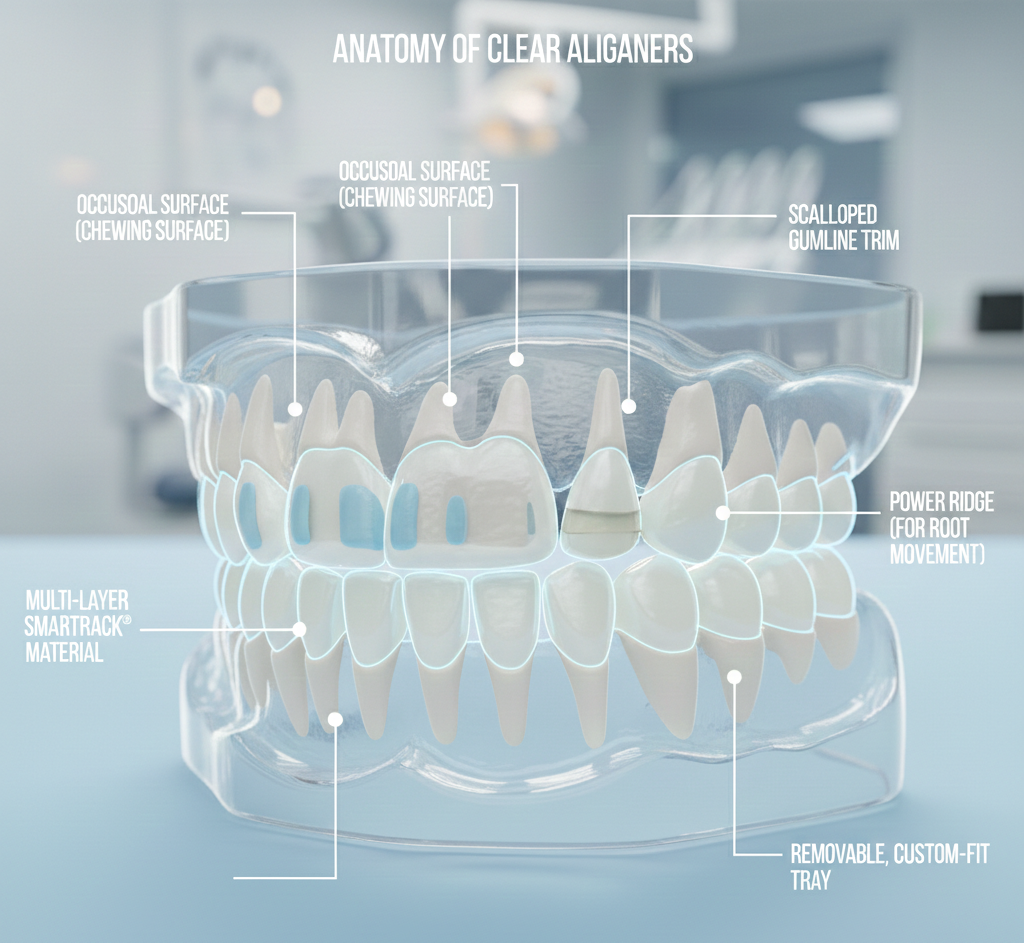
Definition: Clear aligners are custom-made, transparent orthodontic devices formed from high-quality, medical-grade thermoplastic polymer.
What Patients Need to Know
-
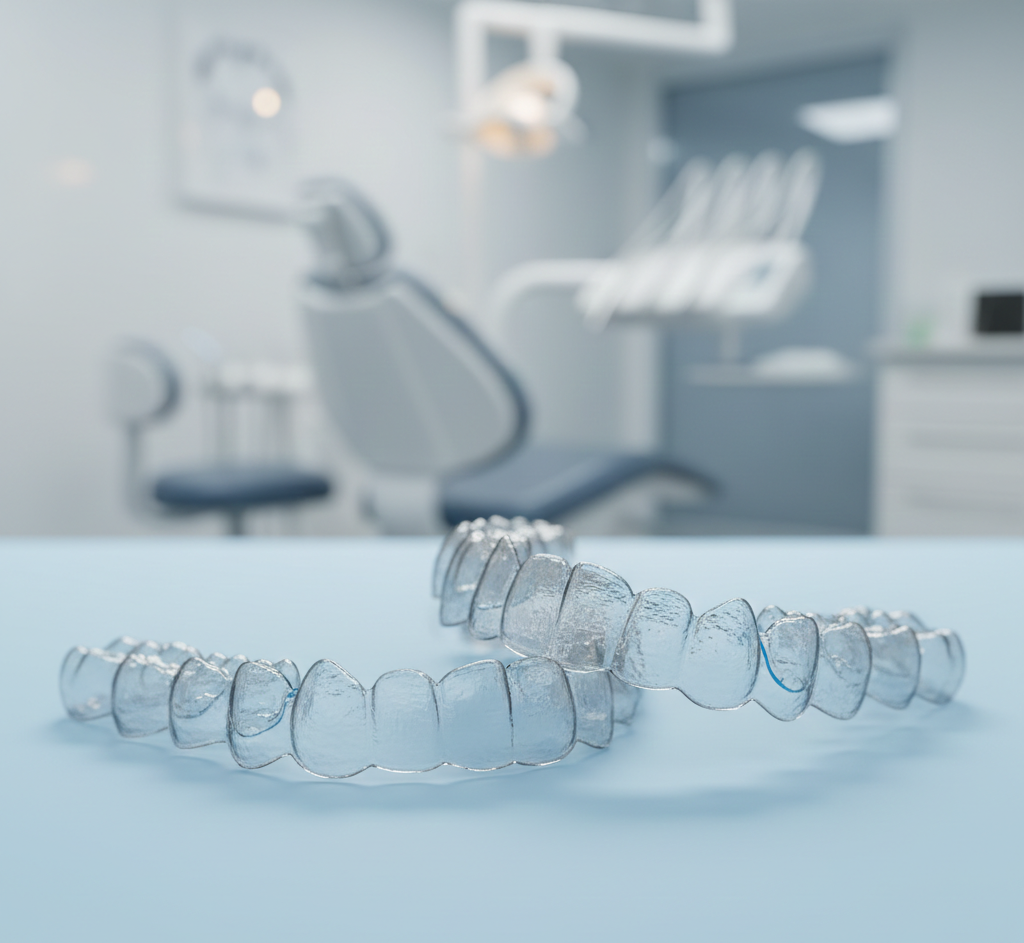
Mild to Moderate Cases
Clear aligners are generally highly effective for correcting issues involving mild to moderate crowding (teeth overlapping) or spacing (gaps), usually up to 6 millimeters.
Anterior Alignment: They perform exceptionally well when primarily correcting alignment issues in the front, visible teeth.
-
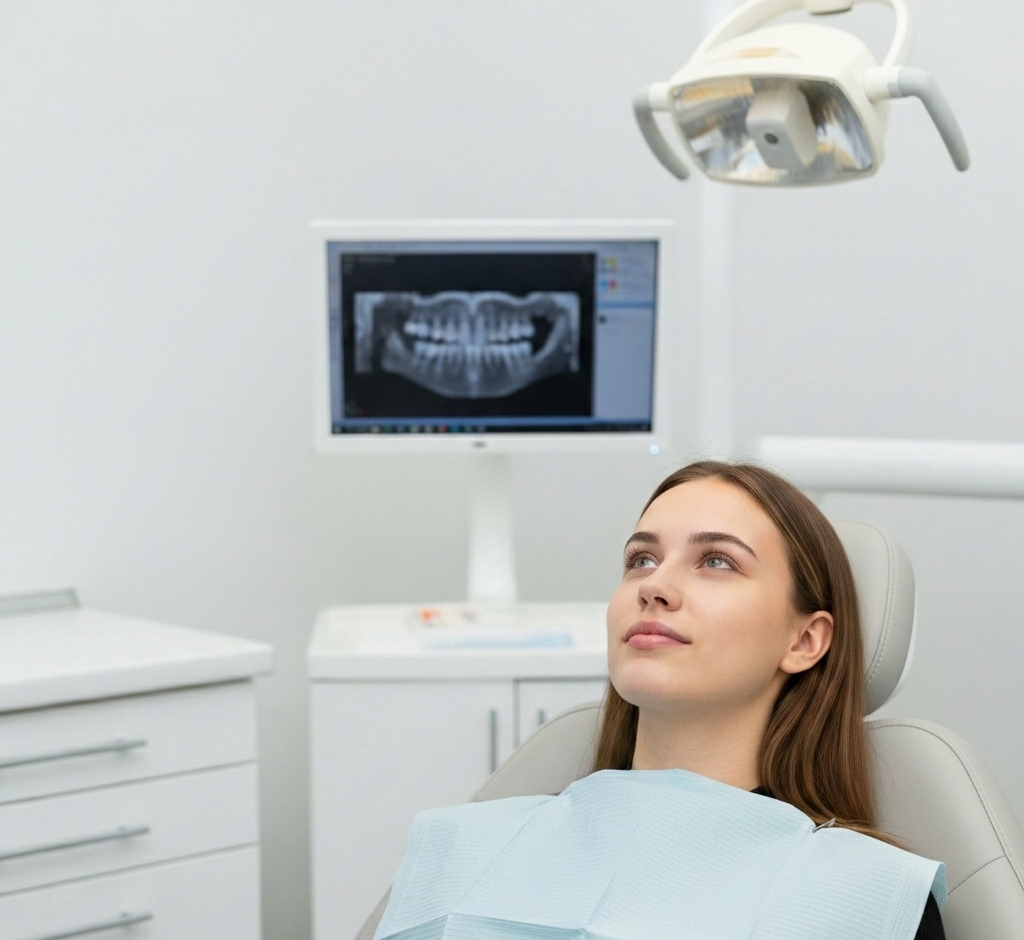
Complex Movements
Complex Movements: For severe rotations, significant vertical movements, or highly complex bite corrections (like severe deep bites or skeletal problems), treatment planning is carefully customized based on each patient's unique orthodontic needs.
Patient Compliance: Success heavily relies on the patient wearing the aligners for the recommended 20–22 hours per day. Aligners that are not worn will not work.
-

Considerations for Children
Clear aligners may be a suitable option for responsible teens and select younger patients, depending on their orthodontic needs and ability to wear aligners as directed. Treatment recommendations are customized based on each patient's age, dental development, and smile goals.
Pros and Cons of Invisalign
For many adults and older teens with routine alignment needs, clear aligners offer an effective, comfortable, and aesthetically superior treQAatment option. A comprehensive consultation is necessary to determine if your specific orthodontic needs fall within the successful scope of clear aligner therapy.
Key Advantages (Pros)
-
Discretion
Aligners are nearly invisible, offering a highly aesthetic treatment experience.
-
Hygiene
They are fully removable, making brushing and flossing far easier and supporting superior oral hygiene.
-
Comfort
Smooth, custom-fit plastic reduces the irritation and cuts often associated with metal brackets and wires.
-
Precision
Treatment is highly personalized, guided by digital scanning for a custom, precise fit.
Important Considerations (Cons)
-
Discipline is Mandatory
Must be worn 20–22 hours daily; inconsistent use will delay or compromise results.
-
Risk of Loss
Since they are removable, there is a risk of misplacing or damaging the trays.
-
Temporary Changes
Some patients experience a temporary lisp or minor speech adjustment when treatment begins.
-
Complexity Limit
They are generally not the best choice for severe misalignment, major bite corrections, or complex jaw issues.
-
Not for Young Children
Compliance requirements and ongoing jaw development often make traditional braces a more reliable option for younger patients.
-
Routine Monitoring
Periodic appointments allow your orthodontist to monitor progress, make adjustments when needed, and keep your treatment on track.
Frequently Asked Questions
(FAQ)
Read through to find some common questions and answers when getting Invisalign! Any questions not answered here, feel free to contact our office!
You have questions, we have answers!
-
For the treatment to be successful, aligners must be worn diligently for 20 to 22 hours per day, removing them only for eating, drinking anything other than water, and brushing and flossing.
-
Typically, you will switch to a new set of aligners every one to two weeks, depending on the specific treatment plan prescribed by your orthodontist.
-
No. Clear aligners are highly effective for mild to moderate crowding and spacing. However, traditional braces often provide better control for severe rotations, complex bite issues, and major skeletal corrections. Your orthodontist will determine the most predictable and successful treatment path for your unique smile.
-
When you switch to a new set of aligners, you may feel some temporary pressure or minor discomfort for the first day or two. This sensation simply indicates that the aligners are working and moving your teeth.